Night People: On the pleasures of a late supper

Image

One of the things I enjoy most about my work in Ireland is a late supper, of wandering in after 9pm to a proper restaurant for a quiet meal and good conversation (or, if alone, a tender rendezvous with my iphone).

A few weeks ago, after a long board meeting, the artistic director of our Arts Festival and I dropped in at nearly 10pm to a favorite haunt in Galway and were seated without hesitation. We ate a fine meal after a long work day, enjoyed good conversation, service and some of the best of Ireland’s beautiful seafood. Joy.

Contrast this with Indianapolis and much of the States where late meals are rushed and grumpy affairs, with the staff cleaning up, vacuuming, and generally working quickly to get the hell out of there. Even places proposing to be amenable to the Evening Diner – our local Napolese being a prime offender, with the lights coming up and the staff practically asking to sweep under the table while you dine, and the check being dropped off at the same time as the entrees.

We theatre people are by nature nocturnal creatures and libertines, with professional obligations that keep us busy well past the Square’s dinner hour. We tend to do our eating and drinking late, after the gig.

One of the real joys of fundraising for the performing arts is hanging out in the donor lounge after the intermission’s mingling with the patrons, enjoying a beverage and the leftover cheese tray with the music starting in the distant background, the day’s work done and with the happy fellowship of collective effort and achievement. I don’t miss much about a day job other than this.

Even as an audience member I prefer dinner after the show. Who enjoys sitting for 2-3 hours on a full stomach trying to concentrate on Shakespeare or Mahler? No, thank you.

Better a meal after – with the chance to talk about the performance, and to eat and drink without feeling rushed to the curtain. Dessert perhaps, with the romantic potential for the evening better served by this order of activities. Mind well my single brothers and sisters.

Don’t ever ask me to meet for a business breakfast. I cannot abide a 7am start, and rarely experience anything productive at that hour. The brain and heart aren’t adequately primed for giving, nor strategy. And I am a grouchy simpleton without a jump start, so a business breakfast means I have to stop for coffee on the way.

With proper restaurants closing early, the only alternative is a pub or sports bar, and the clang and noise of televisions and youngsters is lousy for dinner, particularly after a truly moving performance or thought provoking play. As much as I enjoy food from the fryer from time to time, supper after 9pm isn’t the time for basket food for grown-ups. No, dinner after the gig should be a proper meal, ordered from an actual menu after a consideration of the specials.

Some while back I visited our swanky Delicia, home of excellent South American fare, with a friend after a performance. It was late for dinner – perhaps 9:45, and the hostess shared that only the bar menu was available—nachos and so forth.

“Is this Peoria?” I asked with some annoyance. “Pardon me for a moment while I check with the kitchen,” was the reply. And we were graciously seated for a proper meal. Shame can be useful as encouragement for appropriate behavior from time to time.

Restaurants will respond to the market and so if we demand to eat later, properly off the menu without the staff turning up the lights and turning on the vacuums, this will improve. Except perhaps at Napolese where Martha keeps her own counsel. Civilization wasn’t meant to end the day’s business while the sun shines. The vampire life is lovely.

Join us for a later supper after the show.
Posted in Cultural Entrepreneurship, Fundraising, Ireland | 4 Comments

(Almost) Nothing like Mad Men: Reindeer Games with Advertising Agencies

Image

It is an uneventful Tuesday in your Fundraising office when the call (or more likely, the email) falls out of the Sunny Blue Sky: “Hi, I ‘d like more information on sponsorship of your outdoor Summer Series. Can you send me an overview? I have a client that might be interested.”

Wow, you say. Today is the Day. Glorious. At Last. Your first instinct is going to be to send them a comprehensive proposal outlining in full and excruciating detail seven separate and wonderful ideas, with pricing and benefit.

Don’t. Play it cool. Breathe.

The Advertising Game is a lively business and you probably don’t know the Rules of this particular Yahtzee.

Advertising agencies exist for but for one singular purpose: to maximize profit. They will (and do) endorse poster ads above urinals in the Men’s room at Wal-Mart if the price is right and the client digs it.

How do Agencies make money? A company hires an Agency to either assist with the creative development of a brand or to vet advertising and sponsorship opportunities on their behalf. The latter is accomplished in one of two ways – either by the agency being paid to review and pass along your proposal or by buying your proposal outright, and marking up the price that the client pays. I honestly prefer to work with an agency that buys my idea outright and charges the company separately.

Agencies also make considerable revenue by negotiating pricing with media (print, television, radio, etc) and taking a percentage off the marketing buy of the client.

What does this mean for pitching a sponsorship to an Agency? Here is what I’ve learned from painful trial and error and from dating a marketing director for a lifestyle magazine (who traded up for a younger and sleeker Audi but showed me some tricks before I landed in the Used Car auction). Some Pro-tips:

  1. Take it slow. Don’t give your best ideas right away. Agencies love information. They love seeing what you are doing, what your pitch looks like, the price tag, and how you as, ultimately, the competition for the marketing budget, are presenting your ideas. Don’t give them anything too specific until you’ve had an initial conversation. They are going to ask you (I promise) to, “Send everything you have for us to look at.” And you mustn’t.
  2. Get the Meeting. If they are serious they will devote some time to talking through your 1-2 good ideas in person or on the phone. If they say, “Oh, just send me everything” you should be proceed with caution. At the end of the day you are the competition.
  3. Ask many Questions. What sort of organization (even by industry) are we talking about? What is their specific marketing plan for your region? What is the timeline?
  4. Talk about your Audience In the arts we have an enviable audience for most any marketer. Be prepared to talk in detail about the demographics of your audience. Call me to chat about how to do this or start with a simple zip code analysis of where your subscribers live. Or, you know, call me and I can help.
  5. Propose an Idea that looks a lot like Advertising. Agencies best understand ideas that look like traditional media. What does that look like for us? The back of your season program is worth a bunch to someone.
  6. Tailor your Proposal. The Agency is not going to care at all about sponsor ticket allotment, opportunity to host events in your donor lounge, or the personal VIP backstage tour with your Artistic Director. They are going to care about visibility and ROI. Develop a custom overview, based on a specific idea that you discussed on the phone or in person. Your proposal should be short and direct, 2-3 pages max. Of course as a .pdf yes?
  7. Emphasize Urgency. Of course it will be more interesting to hear that there are other parties who’ve received the proposal, particularly if they are in direct competition. Don’t lie though. Lying isn’t good. Be creative.

So you take the meeting, develop a good idea with your Agency Bestie, send off a strong proposal and then Crickets.

And then you wait. And it probably won’t go anywhere. Why? Odds are stacked against us compared with the more traditional media – however many eyes will gaze upon your Summer Jazz Party Presented by Mazda will pale in comparison to a Sunday advertisement in the local paper or a television ad during the football game.

Follow up of course. If you gave it a good show, not much to be done if you don’t get the gig. The best Agencies will call or email to give feedback. That’s not true. Hardly any of them will call or email you again until they want another proposal.

I have pitched so many impactful, creative ideas that went nowhere with Agencies. It is a lot like dating or job interviews. Sometimes she just wants a German sedan, and often the client will stick to sponsoring soccer.

What if they say Yes? Be prepared to negotiate price and terms. I always prefer to throw more into the proposal (additional print advertising, length of promotion, sampling opportunities etc) rather than to lower the price.

Pitching agencies is a lively Game and you should treat it what way. It might be failed effort but the attempt will make your sponsorship program stronger.

The day you land one of these deals call me and we can celebrate together. The most fun in fundraising is when the phone rings and the answer is Yes.

Posted in Cultural Entrepreneurship, Fundraising, Sponsorship | 1 Comment

Making the List, and Checking it Eight Times Over. On Donor Listings

Image

I spent some time a few weeks ago with a group of arts management grad students from Dublin to chat about fundraising and career trajectories. It reminded me of my own grad school experience: a group of brilliant and attentive young women and Me, the solo man scraping along. During the Q&A someone asked: “American donors give because they like having their name in bronze and looking good for their friends. How does this translate to the Irish who don’t think that way?”

I replied that I did not accept his premise. There are much better ways to fame and public acclaim than philanthropy and most donors are, in my experience, fairly humble souls who give for many different reasons, with recognition being a small part of the mix for the majority.

I read a provocative blog post (well, reasonably so for fundraising chatter) from The Donor Relations Guru that’s been on my mind for the better part of a month:

http://donorguru.blogspot.com/2014/03/why-honor-rolls-of-donors-are-most.html

Let me say first that I am fan of The Guru. A tidy and well-run donor relations program is almost always a sign of an effective and successful fundraising organization. Our professionals who support front line development are often the unsung heroes of raising money.

I encourage you to read the post but the central premise is that producing donor lists is a waste of time and resources and that organizations are better served communicating mission, cultivation relationships, and providing honest stewardship.

Our friend makes two main arguments against donor listings:

  1. Donor lists are time consuming and difficult to produce.
  2. Donors don’t really care about this sort of recognition.

I take strong exception to both of these statements.

Donor lists ARE time consuming, without question. Like the Guru, I’ve seen (and spent) amazing quantities of time and energy devoted to producing donor listings. You can only bring doom on yourself when the lists get screwed up. Names will be left out, misspelled, the Mrs. is now an ex-Mrs. and so forth. No one is going to call you to say, “Great job on the that donor listing in the program.”

But if we cannot produce an accurate donor listing at various giving levels, I doubt we can do the other vital tasks of a robust annual fund program such as customization, personalization, segmentation and so forth.

When I am with a client the first thing I usually ask for is a detailed report of giving by division (board, $1,000+ and so on) at every level along with a list of unrenewed supporters for the fiscal year. It is a test of fundraising readiness. Organizations that can easily provide accurate, timely reports are the ones that hit fundraising goals.

I have neither the attention span nor the discipline to be good at producing such reports and so as a CDO hired someone with a ferocious attention to detail as my Number Two. We call that management.

I argue that we will have to produce accurate donor listings for internal purposes regardless of going public with the results (and the time and energy invested). There should be sensible limits to this however – I think that annual updates are timely enough. I know many organizations making monthly updates to public listings are that’s probably more trouble than it is worth.

Now what?

Our friend the Guru’s second (and better argued) rationale for eliminating donor listings is that donors don’t care about them. Why does she think that? Because a survey said so?

One of the worst things that we can do as fundraisers is to try and understand the full internal motivation of our donors.

We cannot. Most of us cannot adequately understand our own motivations, let along others.

I joke around with clients that none of us are paid well enough to worry about the deep and primal motivations of our donors. Some give generously and anonymously. Others want every favor and benefit, or to propel themselves ahead in High Society. Some take advantage of us. That’s the cost of doing business.

Most want a little bit of both, the happy feeling of having done Good and a bit of recognition from the Universe for that act. Donor listings are an important part of that recognition.

Will donors admit that they care about public recognition? A great many of them do, regardless of what they tell us in surveys. Would they admit to that fact?

Probably not. If we asked them directly they would say, “No – I don’t give to have my name public.”

All of us are complex, with contradictory motives that a simple survey question cannot measure. In the same way that approval ratings for Congress is at an all time low but we tend to vote to reelect our Guy term after term.

Maddening. Human.

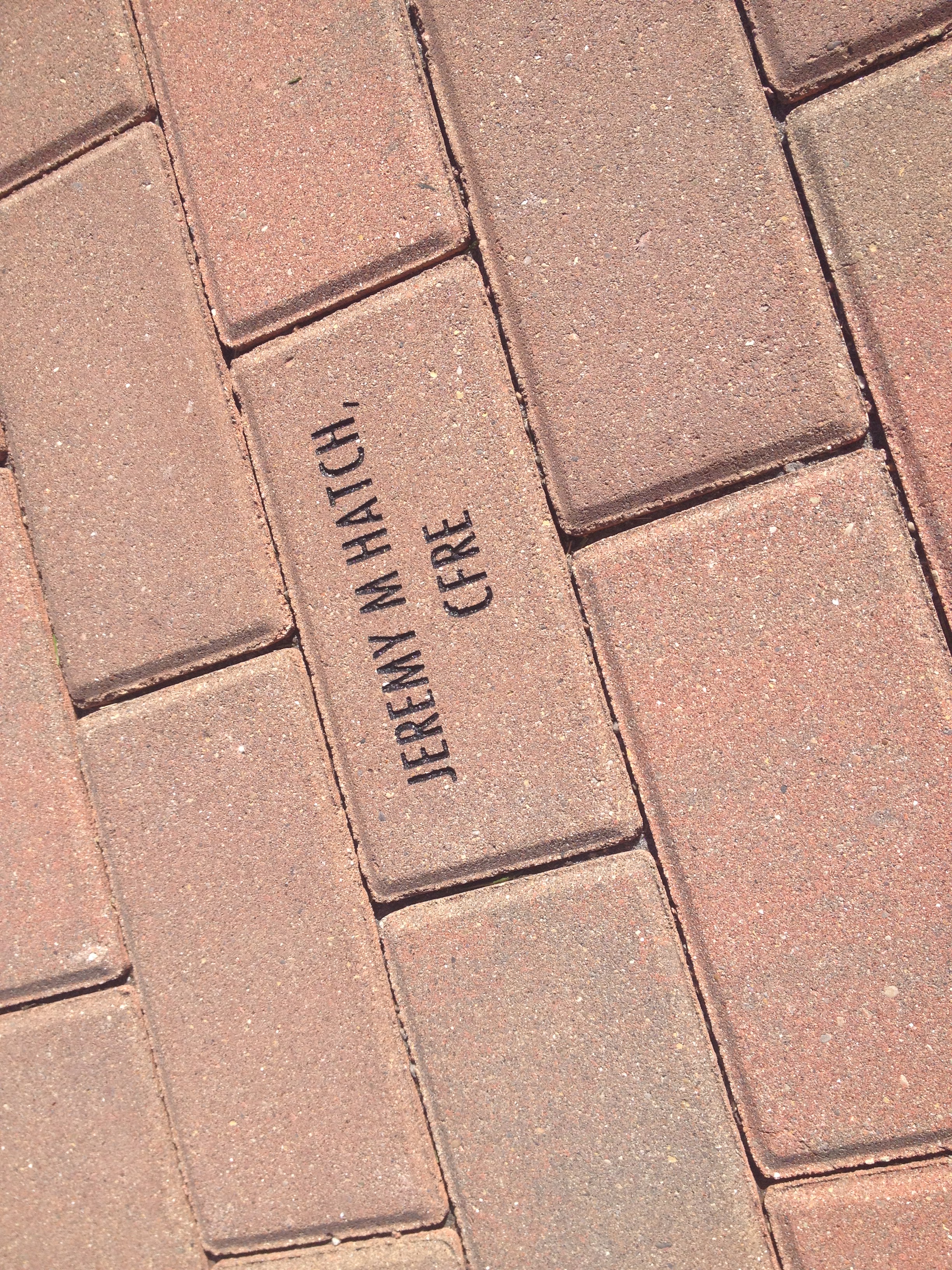
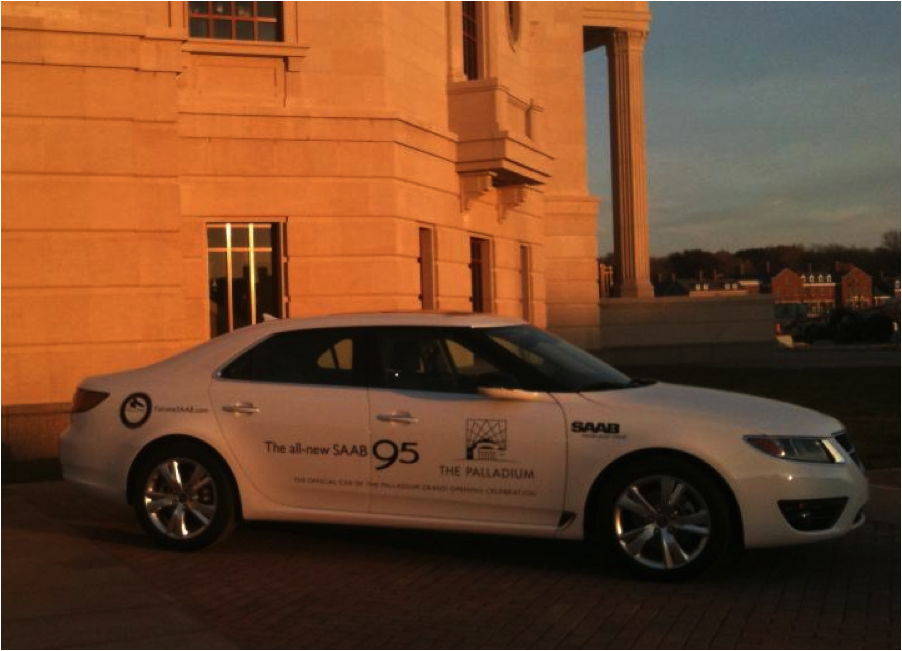
And a few words about public recognition. There is nothing wrong with it. One of best campaigns I was ever a part of was an Engraved Brick program at the Palladium. We sold hundreds of them at $250 and up (when many colleagues told us that was too expensive). We invited all the donors out one sunny day to have a look at the completed bricks. I will never forget some of the stories – families celebrating a passed Grandparent, children honoring parents, parents listing their kids. It was philanthropy in action.

The best fundraising programs offer the full gamut of public recognition, private stewardship and ongoing cultivation as the Guru so beautifully states, “Donors want handwritten notes from students. They want to meet those that benefit from their philanthropy.”

Eliminate donor listings at your peril.

Posted in Annual Fund, Fundraising, Patrons | Leave a comment

On Opera.

Image

As much as one can say so in the state of Indiana, I grew up in the Opera.

After the injustice of high school, I enrolled as an eager young freshman at Indiana University, one of the largest colleges in the United States, with three friends to my name and nothing substantive to strive for academically beyond a vague interest in Sociology.

Like many misfits before and since, I found the theatre in high school, working on sets and then lights over my last couple of years, in a community at last. And so aimless at a gigantic university, I applied for a $4.25/hour job in the Electrics department of the glorious Musical Arts Center, the grandest of all collegiate operas. A home for four years, and exposure to most of the operatic repertoire, though heard as only stagehands can hear things, in small snippets between changes set and friendly conversation Backstage.

I graduated some years later, having had the honor to be only the second (at the time) undergraduate to light a main stage opera at the MAC – one of the beautiful old sets at the school, Hansel and Gretel. On the first day of cueing the Director was so vicious to me that he made me cry (later that day, to my girlfriend at the time). No other man in my 40 years has done so.

I returned to IU two years later, tempted by a graduate supervisor’s position, paying $7.50 an hour as I recall. At the time I saw this as a small hourly fortune and could not imagine a higher salary. And so three more years, ten or so operas where I was lighting designer, and a graduate degree in Arts Administration.

A stagehand made good.

Many of my work habits and style were formed in my seven years working in the opera: Start things on time. Work until the job is done and go home. Bring ample, even liberal staff resources to any task. Function as a team. Get along with other departments. Support and train your people. Find the elegant solution. There is only “we” in stage production, fundraising and much of life. Anyone who says otherwise should be distrusted.

In those grad school years I worked with some wonderfully creative friends to produce small independent operas – including a fully realized and cast Western Barber of Seville at least as entertaining as any production I’ve seen of that show. We didn’t have any money, just creative ideas and youthful energy.

I’ve been thinking a great deal about opera of late – big and small, professional and otherwise. These are dark days for the art form, with companies closing up shop in communities like New York and San Diego, and many more in dire financial shape. I’ve been working with a couple of them the last few years, and am a fan of others, smaller companies like Intimate Opera of Indianapolis. These youngsters are producing amazing work, spooky and artful, with the smallest of budgets and ample creativity.

I also see professional opera thriving in communities with dynamic leadership – places like Omaha, Nebraska where Roger Weitz’s company is doing beautiful and innovative work at sustainable scale.

The mean spirited and callous dismissal of grand opera troubles me greatly, and I am very sick of hearing small-minded haters spew venom. Do you want to really talk wasteful spending? Chat up the US military, Chase bank and NFL free agency.

The human need to tell our stories and to sing will always be with us, just as Shakespeare’s words will be read aloud for as long as mankind holds on.

Am I a fan of opera? Not especially. Growing up backstage, I always heard lit bits and pieces, taking pause for the good stuff – the Mozart overtures, some of the great Puccini songs, the thunderous finales, and ignored the slow passages.

Even as a lighting designer I found this to be true, the practical challenges of making a vast stage set and performers visually consistent and beautiful being difficult enough that it was usually after the opening night performance when I would sit back and actually watch the story unfold.

Without question, opera is the most expensive art form to produce. A grand opera can sell every ticket and cost hundreds of thousands more than the earned income.

And so, shall it continue? Can it continue?

I hope so. A city is diminished in ways we cannot always describe easily when the arts are lacking.

The most magical thing about the arts is this – in our small-minded and ROI seeking society at the moment, we cannot possibly know or anticipate the impact it will have on a life. I thought I’d be a social scientist. Opera turned that 18 year old into an artful fundraiser, and my story is one of millions.

I want to live in a city where art and sport are celebrated not only for the vitality of city life but for the artists who strive and for the ambition to pursue something so grand and beautiful (on those occasional moments) that it cannot be expressed into words. Its beauty must be sung.

Long Live Opera.

Posted in Cultural Entrepreneurship, Performing Arts | Leave a comment

More Fun. More Sharing. No auction: Gala tips from a Two Tuxedo Skeptic.

Image

Most of our non-profit fundraising galas are tepid and uninspired affairs. Start with the low quality beverages and uninteresting hors d’oeuvres of a cocktail hour of milling about tables of so-so auction items. Move on to an overcooked filet with sad little vegetables after a not particularly impactful program and you have a dull evening that no one remembers the week after it happened.

By the time the “Dance Band” starts 45 minutes later than promised everyone is beyond ready to go home and you have five old couples shaking it on the dance floor because young people don’t know how to dance. You know who you are.

Any of us in civic or non-profit life have attended countless of these events, and have stories to tell. Some quick favorites…

  1. At a Social Service function (all names are withheld) where a young recipient of services was in tears describing her hardships and the helping hand she received from Said Non-Profit, after suffering abuse from an alcoholic father. The crowd was right there with here, and hardly any dry eyes in the ballroom. And 5 seconds later the MC announces, “Let’s bring out the wine. Yeah Baby!” where 5 guys brought out cases of wine for auction and surrounded the pour Dear right on stage. It was at once hysterically funny and in profoundly bad form.
  2. An outdoor event held at the height of a particularly rainy summer, where the tent almost sank into the muddy grass and mosquito larva swarmed all over the buffet. It takes a great deal to put off my considerable appetite but we enjoyed our dinner elsewhere.
  3. A major Arts Gala where a software vendor approached me (somewhat intoxicated) to say, “I love these things. I can buy a few tickets for my staff and get out of paying a decent annual fund gift that they should solicit given the size of my contract.”

So why do we go to these events year after year?

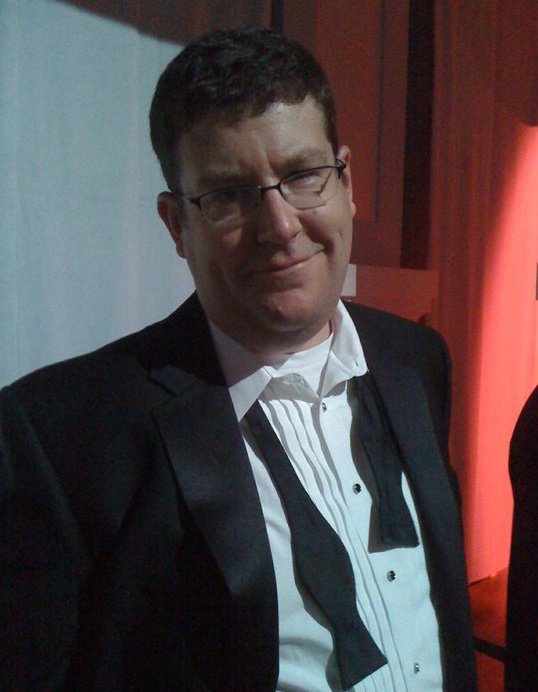
Dressing up is fun. That’s a more of it than anyone might care to admit. In our increasingly casual era, gents look as good as they are going to in a tuxedo and women dazzle at these parties. My favorite part of any black tie gala is untying my bow tie later in the evening, looking like the Boss and judging all the Clip Ons.

Pro-tip: buy a proper bow tie for yourself or your man. Youtube will teach you how to tie it.

This is all well and good but what is the philanthropic point of it all? Better non-profit scribes than I have written exhaustively about events and how ineffective they are at raising money. We can stipulate this reality.

Events are going to happen. They are going to require massive staff resources (for the most part) and underperform financially versus major gift activity and our  $5,000 lunches. Fine. Can we at least make them Fun and Cause Driven? If your event can be those two things, you are ahead of the competition.

Events need to be fun first and foremost. Inspired and creative, where hopefully something unexpected happens. We all want Delight and Beauty in our lives. Is this going to come from your crummy silent auction and white fish dinner with the green sauce? Be honest.

As in sponsorship, so many of our arts organizations are failing the Fun test. They have amazingly creative people and artists associated with the programming and then the Gala is a sleepy affair in a hotel ballroom with a band that will play Bubbaz Bar Too in Fishers on Singles Night next week. For $500?

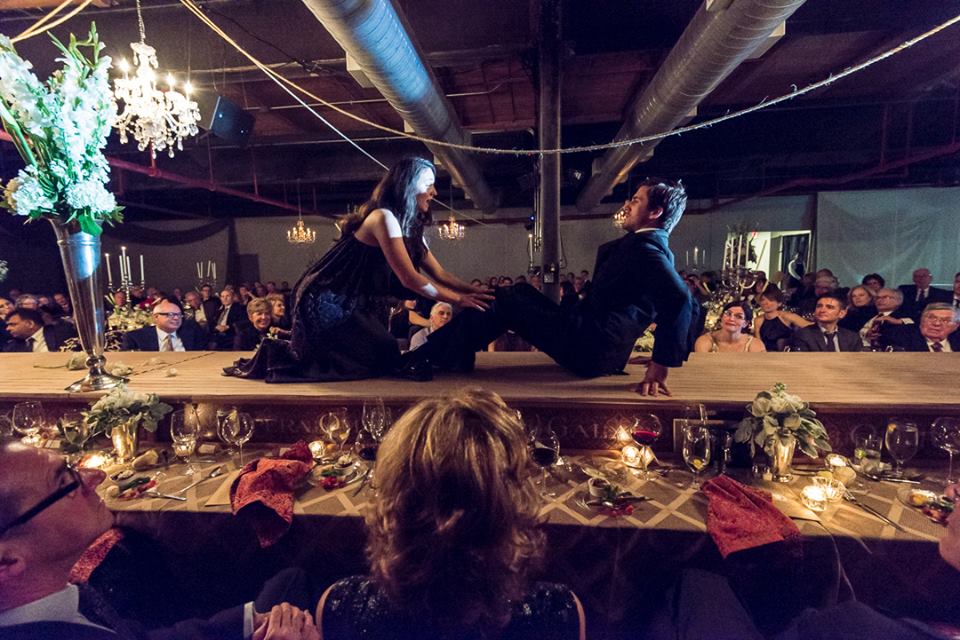
My friends at the Omaha Opera are going a different route. For the past two years they’ve hired the creative team of an opera in production to design the gala and make it a spectacle. The results have been record gala income. It is the Hot Ticket in Omaha and a new audience is getting interested to attend performances.

Image 

Which brings me to Cause Driven. If you are an opera, there absolutely must be some singing at your party. Must.

If you are a homeless shelter, we need to see the impact. Better yet, move the party to the food pantry, the opera gala to your stage set, etc.

What happens when you get this Fun and Cause mix right? Income. The very best event in my state is at the Indianapolis Zoo, a black tie fundraiser that’s a blast and inspired. They sell out early every year and raise $1million+ in one night for the good work they do.

Finally, don’t do an auction. There are about three organizations in my town of Indianapolis who have the right sort of volunteers to make a quality auction viable. Odds are you don’t have the manpower.  Silent auctions are not fun. Live auctions take too long and hardly any items go for market value.

Better yet is to charge a premium price, over deliver on the experience and let your attendees leave their wallets in their pants. Surprise and delight them so that they will come next year instead. A realtor I know shared some good perspective on pricing with me:

“Say I charge you $1,000 for this pen. You will feel robbed. Now say I give you a Lexus for $1,000. You will see money well spent. Let’s give them a Lexus experience.”

Events will always be with us. I’ve stopped fighting this reality and have learned to love an evening out. Make yours more Fun and Cause Driven in 2014 and something great will happen.

And why do I own two tuxedos? That’s a longer story.

Posted in Cultural Entrepreneurship, Fundraising, Performing Arts | 8 Comments

The $5,000 Low Carb Lunch Date

Image

There are few things I hate worse than a missed opportunity. Specifically an open lunch date. Seeing clients eating at the desk drives me to distraction.

Why? Everyone eats. An hour long lunch appointment is almost perfect for focusing in on a specific conversation and advancing a specific agenda. Visiting someone at the office means they can be distracted by subordinates, email, the telephone, or the marketing director.

Most everyone, no matter how busy, will put a pause on all of this while sitting at a table over a meal. Lunch is a lingering artifact of a more civilized time. Take advantage.

This means that your week should be filled with lunch dates. What sort of prospects should be on your docket? I propose the $5,000 lunch solicitation.

Why $5,000? It is a very meaningful annual gift but not life changing. Gifts of this size are generally made to organizations where there is a deeper appreciation of the good work and mission, and so your hour long conversation is a perfect format for delivering a compelling story, plans for the future, case for support, and invitation to join.

Before we continue there is a school of thought that soliciting funds shouldn’t be done in public over a meal because of interruptions, the waiter taking dessert orders, potential for embarrassment, etc. I think this is absolute nonsense. Unless you are social clot who cannot time a conversation around delivery of the soup and refilling of the iced tea, talking about giving over a meal is fine.

The next time you are out for a lunch in a city, listen in for a moment on the conversations around you. All matter of bargaining high finance between captains of Industry and Real Talk between couples negotiating emotional availability is happening. Your little $5,000 pitch will be fine.

Who are your prospects for the $5,000 ask? Your top 25 donors to start. And then the 25 after that. You get the idea. For some organizations this is going to be the $1,000 Lunch, and that’s okay. Practice makes perfect. Start with the easy ones. I was close to my maternal Grandmother and so have always had an affinity for older ladies. They call me Jerry.

Who are you bringing along? Ideally the Boss or a key volunteer. If we can model behavior with those around us we are going to have a lot of success. Over time and with practice, the evaluative metric for any special event or wacky fundraising idea will be, “Is this time consuming activity going to be more effective than our $5,000 lunches?”

The Set Up: Tell your Story. Ask Questions, lots of them. Talk about the good work, the ongoing success, the plans for the future, the insider information. My friends in the arts can talk about the upcoming season – YoYo Ma on our stage for the first time! – but everyone can tell a good story about the impact of philanthropic investment. Ideally kittens and children.

The Ask: This is where many of us need some practice, and perhaps a little scripting. I’ve worked for a lot of great CEOs who prefer not to be the Asker. That’s fine, better often as it allows you to stick to the Script after she tells the Story. Here is what I might say…

“Linda, thanks again for meeting with us today. We wanted to share our ambitious growth plans to serve more patrons in 2014 and to talk to you about this year’s gift. As a part of expanded programming, we are asking a select group of friends to consider joining us at the $5,000 leadership level this year. This is a very meaningful gift for us and will propel many of the programs and plans forward, including the spring educational concerts. Would you consider a commitment of this size?”

And then of course you shut up. Not a peep. Don’t be discouraged if they don’t say yes right away (that’s unlikely).

Do have a written proposal with you outlining the request, including a pledge card with flexible payment terms.

Do order a salad. No one wants to watch you pick up a sandwich with your bare hands, spreading crumbs about. Plus wealthy people have judgment about carbohydrates.

Do eventually move the conversation along to other topics to wrap up the visit. Do pick up the bill without a fuss if you initiated the meeting.

Do have a coffee after if your prospect is having one. Don’t order dessert. See above about the carbs.

Will everyone say Yes? No, they won’t. Some will make a smaller gift (upgrades are grand) or stick to where they’ve been but you’ve furthered the relationship. Some will tell you No outright. And that’s okay. No one will be mad at you for making a respectful request.

Be your charming self. Trust me.

One of my frustrations with fundraising staff is the paralyzing fear of rejection. Hearing No a few hundred times isn’t the end of the world my friends. The first $5,000 will change your whole week and perhaps reprioritize your calendar.

Don’t let me catch you eating leftovers at your desk!

Posted in Annual Fund, Fundraising, Patrons | 27 Comments

Sprawling Headfirst into Grace: On Turning 40.

2014-01-02 16.29.18

My family lived in Asia when I was a lad and the traditional homes featured highly polished wooden staircases. Sublimely dangerous, even my father took a tumble, breaking his leg in Okinawa while responding to a prowler late one night. My mother drove him home from the hospital the next day with a full leg cast, offering my first glimpse of aging and loss at the advanced age of 11. Until that moment it hadn’t occurred to me that my father, or by extension everyone, was anything but immortal.

During our time In Korea a few years earlier I had the habit of running down a similar set of polished stairs, with gym socks on, and more than once lost my footing, sprawling forward and face first, coming to rest with impact against the hard corner of a wooden aquarium. Bam. At least three times with this.

Face first and full impact.

It has been said that boys are easier than girls, assuming they physically survive childhood. Over and over I’d fall off of bikes, down stairs, into low ceilings, headfirst for the most part but no long-term damage.

My mid-life crisis came as a young man of 33. Fortunate at that age for I was healthy, energetic and with time enough to flail about for a few years with no lingering impact despite a terrible year of divorce, job change, and the death of a golden retriever.

All of this left me comfortably numb but good natured for some years to much of the joy or the bad of life, despite friends and family, and the hopeful efforts of a number of beautiful and caring women patiently invested in my eventual emotional availability.

If you know your own Crisis is pending, I suggest you get it out of the way as soon as opportunity allows and also take up running. I lost about 60 pounds training for a half marathon as my first marriage passed. Whatever you are facing, facing it without an extra 60 pounds can only improve outcomes.

The worst part of anything terrible is bracing for impact, and I have been in motion ever since, personally and professionally. If I had to sum up the decade of life that has been my 30s it would in motion—no longer content to wait for life to come to me.

My 30s have been Something and full of adventure, mistakes, victories, rivers, music.

I have seen the Milky Way from the deep woods and Orion shooting his arrows bright as Vegas from the Florida Keys, kayaked Michigan’s magnificent Pine River, won five bowling trophies, danced in Montreal with YMCA fundraisers until 6am, opened a concert hall, met Kevin Bacon, walked New Orleans until dawn, raised $25million or so.

We can call that a decade.

When I have been timid in decision making, passive to events or held hostage to my meek little heart, trouble has come my way. My best days have been the result of truth telling, action and effort. My worst spiraled downward by fear and regret.

What has all of this taught me?

Be Honest. A donor who gives you $5,000 can afford $10,000. Kindness. Be aggressive with annual fund asks on subscription renewals.

Don’t make the same mistake twice.

Women enjoy brunch.

I turn 40 now, and the That Nice Boy my close friends knew at age 30 is long gone, buried in the woods. I spent the first three years of my 30s tending to an ill person who held me in contempt, the rest of the years looking after myself, and now ready at last for the next gig.

I am grateful to make the turn with humor, a bit of humility, and, tumbling headfirst into Grace, anticipating the days ahead and with an open heart to the possibilities, more or less.

Onward, As always.

Posted in Cultural Entrepreneurship | Leave a comment

What do the Birds do for you? On Luck, Preparation and the Three Visits per Week of 2014.

Image

All of us Old Fundraisers have stories and here is one of mine: 2000 was my first fundraising post as manager of Indiana University’s United Way campaign. The gig was mostly administrative in nature, organizing events, pledge cards, reporting and the like. Each of the University’s 6000 full time employees received an imprinted (kids, look it up) pledge card with their name and department.

It was that very fall semester when Bob Knight was sacked by IU for grabbing a young man by the arm and lecturing him on the finer points of salutation. And so CNN showed up for the Press Conference where Myles Brand fired the Coach and the students set fire to some things as they will do from time to time.

The sacking took place a day or so before our big campaign kickoff, and I had the thought to dig through the athletic department’s pledge cards, removing Coach’s card and kept as a personal trophy of my first fundraising campaign. I still have that someplace, and will post a photo when I dig it up. Several high level IU administrators suggested that the campaign might be delayed or less public. We went ahead anyway and raised a record sum that year, over $600,000 from the good employees of the University and I landed a terrific job with the Indianapolis Zoo as a result.

Since then, and with every annual fund campaign since, goals have been met. Sometimes on the last day of the fiscal year but nonetheless.

The last time I called my Father to share news that I was unemployed he listened to me whine for about 2 minutes before interjecting:

Jeremy, the birds sing to you when they crap on other people. You don’t land on your feet on the hard ground, you land on soft grass near something shiny and with catering nearby.

And so that has proven to be the case. One of the things I know to be true about fundraising, and perhaps life, is that hard work is almost always rewarded, directly or otherwise.

If you are making your Three Visits per Week (don’t hire me if you aren’t ready to commit) the phone will almost always ring with good news of some donor (either one of the Three or otherwise) with good news and ready to write a check.

This has happened frequently enough in my career that I quit thinking that I am simply luckier than average, despite much evidence to the contrary. We opened the Palladium a few years ago, and were looking bleak toward the end of our fiscal  ($100,000+) fundraising goal despite an almighty and exhausting year of construction tours, cold calling, relentless follow up, and chasing down every last Carmel cent.

One morning, bright sunshine: A board member wants to bring in a wealthy prospect and his wife to meet us take a look at our shiny venue. An hour later, a massive financial commitment including an initial payment by June 30 and Victory on that year’s fundraising goal.

Lucky? Yes. But in that moment of fortune was countless hours of good work, of building relationships and connections, of showing the board member that we could be trusted and that introductions would be respected and advanced.

And Three Visits per Week. Try it for six months and tell me I am wrong.

Commit yourself now to meeting personally with your donors, volunteers friends, prospects, mentors—anyone who will take the time and can potentially advance a relationship or priority.

Where to begin? Start with the easy ones and work yourself up. I dislike making cold calls and so commit myself to scheduling one appointment every day. Once I lock down a visit, I can skip the phones for the rest of the day. Schedule a meeting daily, and the meetings fill up your calendar.

Good things will come your way, I promise. And stories to tell the youngsters about fundraising back in the early days of this promising Century.

Posted in Annual Fund, Fundraising | 1 Comment

Creative Failings from a Creative Business – Arts Sponsorship and the lack of Artfulness.

Image

I was sitting with a fellow in Dublin some weeks back, talking shop. My friend is an Irish leader in bringing together non-profit and corporate alliances and we were talking about sponsorship in the Arts. He articulated something in frustration that I’ve known for a long time but never said out loud:

Arts organizations deliver some of the least creative, interesting and inspired pitches when they should be, by definition, proposing artful, impactful ideas.

“Why is that?” he asked me. In Ireland sponsorship is Big Business – and most of the action is in Sport. Like in the United States, and possibly more so, aligning with sports is a great bet for reaching a captive, loyal and attractive audience because EVERYONE watches the matches. Soccer, Rugby, Hurling (you have to check it out) draws a wide audience who cannot skip the commercials, are keenly interested in the product and have a loyalty that you cannot purchase.

Yes despite having something highly desirable to sell (affinity with the Home Team) sports clubs always have the most creative ideas imaginable – his example is a winner: A local club partnered with a mobile provider so that fans could enter to have their name embedded into the number of the players jerseys.  Furthermore they could log on to the mobile provider’s website to see exactly where their name got included on the jersey. Tens of thousands of responses later and you have a clever, creative, impactful partnership and interaction with the brand in a unique and memorable way.

By comparison, he explained, the proposals from arts organizations he typically reviews feature static (and often minimized) logo placement, modest ticket allotments, and Entitlement – the notion that the organization or project is so Important and Valuable that it would be Morally Corrupt to say, “No Thank you.”

I could not argue the point. In my career I have been guilty of that sort of thinking from time to time – rehashing logo placements and being overly reliant on my desirable demographic audience. And then I would inevitably wonder why I would receive a No.

I’ve always thought it would be fun to give money away but I’d be terrible at it. Mostly from boredom. Imagine reviewing 10-15 similarly looking proposals per week, every week.

$5000 gets me a black and white logo and 8 tickets for the Bach? Gosh.

So why the lack of creativity on our side of things? We are so keen on our product (the art on the walls, the show, the dancing) that we cannot see it from the other side. We are either afraid to tarnish the purity of our core product or we are insufficient to the task. And often we are lazy and uncreative, blaming our board members for their lack of effort on our behalf.

This year rethink your sponsorship program – is logo placement the best you got? It won’t go far against the competition. A good proposal needs something specific, relevant, and creative. Assuming the marketing manager reviewing your work isn’t a Super Bach fan (and God bless them, for they do exist), you are going to need something shiny to hang the proposal around to get you in the door for a conversation.

A quick story to illustrate. A few years ago we were ramping up the sponsorship program of the Palladium and a young lady I knew working brilliantly in media sales introduced me to QR codes in advertising. The whole thing kind of came and went already but the idea was to be able to use your phone to seek more information about a product or service – an immediate call to action via the company’s website, or offer.

Being a good fundraiser of course I stole the concept wholesale and started pitching QR codes immediately as a unique and dazzling part of our sponsorship activation.

And you know what, it worked. Several companies responded to the idea because they hadn’t seen it before and our Season Book included some of those odd looking barcodes. But you shouldn’t try it now. Because it is 2014.

It isn’t easy constantly coming up with creative ideas but that is our challenge. I spend considerable time with clients brainstorming ideas, strengthening proposals, and beefing up good ideas and into great and fundable proposals.

If you can’t do it, stick to giving the old ladies donor tours. You should probably be doing more of that anyway.

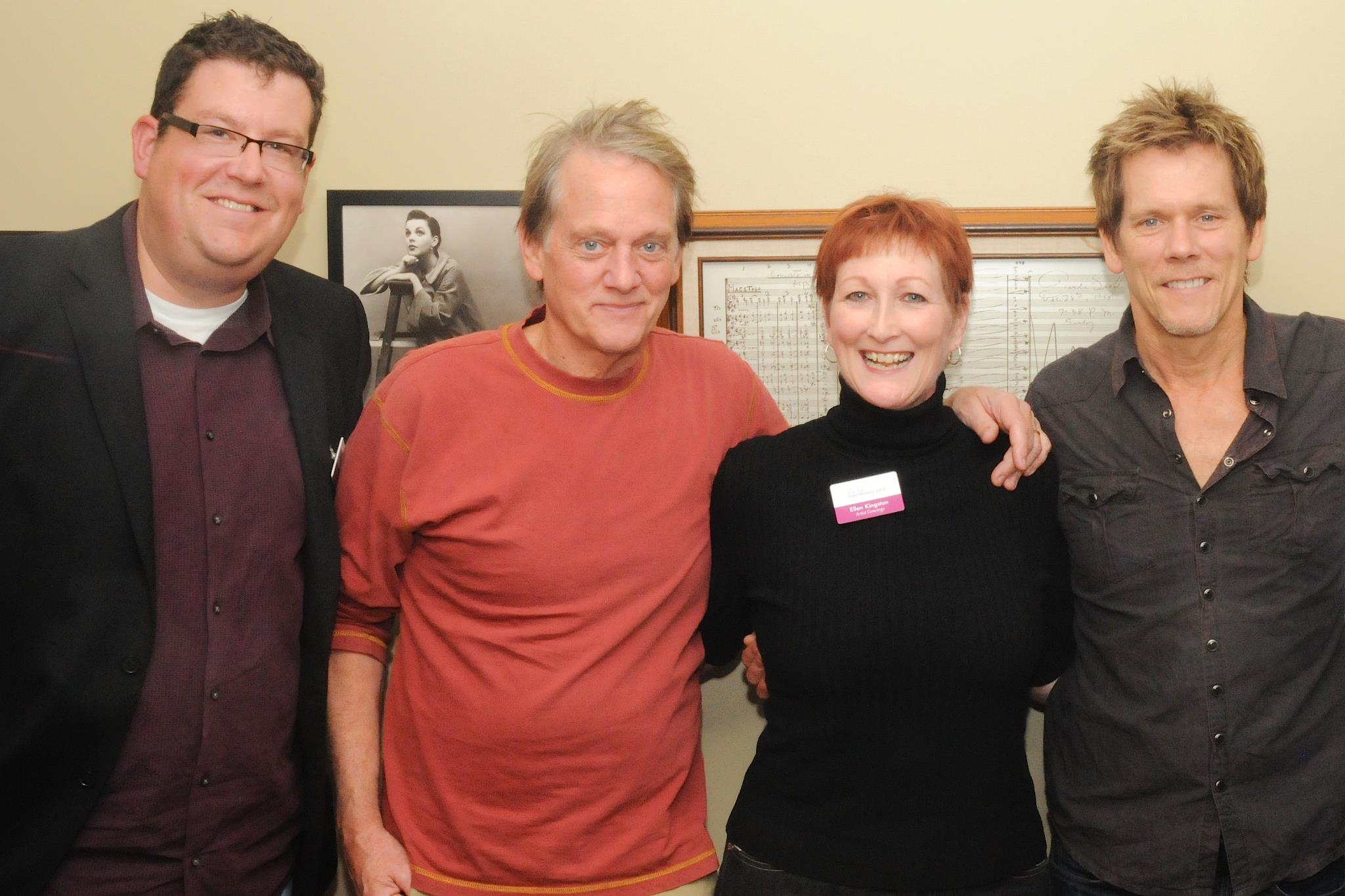
And yes, that photo is of me and Kevin Bacon. So the rule is if you can offer Kevin Bacon, ignore the rest of that above. Kevin Bacon is plenty.

Posted in Cultural Entrepreneurship, Fundraising, Sponsorship | 6 Comments

Guest Post: The 10 Fundraising Commandments

OCMAnnualAppeal2013

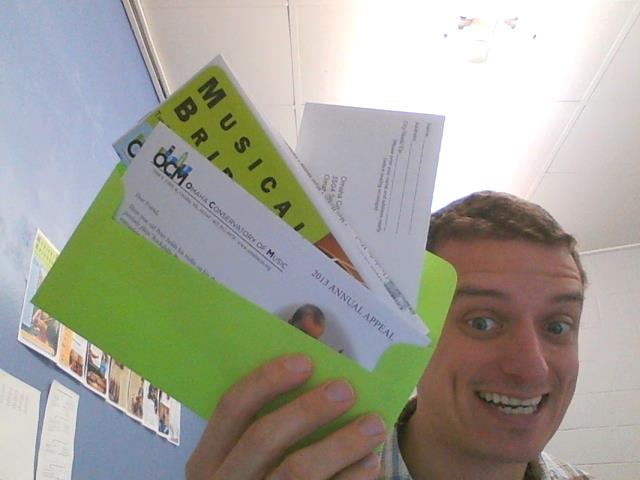
Happy new year! Having spent my holiday in in Monterrey California, soaking up the Pacific Ocean and losing all professional focus, enjoy my first guest post courtesy of Kevin Mahler. Kevin and I spent 18 months together working on a capital campaign to build a new theatre in Omaha, and he learned most of my tricks. Kevin is terrific fundraising and newly installed at the Omaha Conservatory of Music. Enjoy…

The Ten Fundraising Commandments of Jeremy Hatch

By Kevin Mahler, Omaha Conservatory of Music, Omaha, NE

My name is Kevin and I worked with Jeremy for a year and a half on a capital campaign. Here are 10 things I learned from Jeremy as we poured over spreadsheets, drank coffee, and watered the plants together at the BLUEBARN:

1. There is no better medium to raise money than face to face: Organizations pour blood, sweat, and tears into grant applications, direct mail initiatives, and let us not forget life-zapping, resource-draining events. And they raise, say, $40,000. Here’s what Jeremy told me: skip the Postal Service bureaucracy delays and the three-hour meetings about seating charts and, as Jeremy would suggest, “go ask four loyal supporters for $10,000.” And if that doesn’t work, ask four more. Then four more.  You’ll still save time, energy, and money.

2 Renewable, reliable. So the old lady down the block left you a big chunk of change in her estate plans? Congrats; you closed this year’s budget gap. Your board member’s friend’s sister who lives 5 states away matched her sister’s gift? Congrats again. But the clock starts again on July 1  and then you’ve got to plug the hole again. People only die once and that board member’s friend’s sister hasn’t been in touch. When cultivating donors and celebrating significant gifts, ask yourself, “How can I make this happen again next year?” The first step might be in educating donors and members of your tribe on what an “annual fund” is.

3. Piecemeal fundraising is for the short-sighted; develop an annual fund program. “Our annual Moliere Fest is coming up in April and we need 20 wigs. Hey Mr. Arts Patron, would you be willing to underwrite our wigs for $2,061.63?” He says yes. You miss out on the greater opportunity to receive a larger gift if you had sat down with him for a meaningful conversation. He got you through April, but it would have been nice to have something to last through May—or June. In the arts, it is tempting to just ask for funding for the next big thing on your calendar and sacrifice the opportunity to receive more substantial gifts. Regardless of the wealth of your donor base, you will always be in what Jeremy referred to as “a mindset of poverty” if you do not think beyond whatever the next big event is.

4. Board members can open doors. Even the ones with minimal personal financial wealth. Even the quiet ones. Even the ones you’re afraid of. Even ones your boss is afraid of. One of the first things Jeremy taught me was that people are on boards because they believe in your organization’s mission, and one way they can demonstrate their belief is to introduce you to their philanthropic friends. And he was right.

5. There is always a way. When a donor says no, ask them at least three questions. Ask about delaying fulfillment, ask about multiple installments, ask about decreasing the amount. A no is only a delayed yes. Jeremy encouraged me to use creativity in crafting agreements that maximize the overall gift by offering options and timelines.

6. Take one for the team. So Mrs. Arts Patron likes to tell you long stories about her glory days in the USO and her antique paper doll collection? While many fundraising professionals may delay making these appointments, Jeremy’s answer to these uncomfortable meetings is “take one for the team.” If people need to feel connected with the organization by leading you down a tour of suggestions and musings before making a gift, the role of the development officer is to clear the path for that check to be written. Even if it means hearing about the “glory days.”

7. Make direct asks in direct mail. People don’t read their mail, they don’t open their mail, they move and forget to change their address, the post office drops a letter in a puddle, they put their mail in a pile and then their spouse trashes the pile. To overcome all these obstacles, you need to put the ask front and center. Direct mail is not the time to be coy. As I imagine Jeremy saying, “that’s why it’s called direct mail.” If you write a bunch of fluff that does not drive the desired action, you’ll just get those same $50 checks year after year after year from the faithful, uninformed few. Meekness begets meekness. Meanwhile, your operating budget climbs.

8. Spell out terms explicitly. Jeremy has watched me—and many others, I’m sure—spin my wheels about vague commitments from donors and not know what to do to when faced with the challenge of reporting fundraising progress. (“Do we count Mrs. Arts Patron’s pledge or not?” “Did he say $50,000 for the first year or $50,000 for every year?” “Was that for capital or operating?”) When you try to manage multiple commitments without writing things down, time garbles donor intent and then you don’t know what’s what. Jeremy’s advice? Write them a formal agreement that they can sign and remit. Right now. Don’t be afraid. They made the commitment. Spell out what you remember them committing to and then open the door for them to clarify, while thanking them and showing sincere gratitude.

9 Be a pirate. Like a lot of development officers working in small arts institutions, I did not have a robust record keeping process when I worked with Jeremy. My protocol was to just come to the office in the morning, check my email, head out to my lunch appointment, come back to the office with a fat check, and repeat the process the next day. One day Jeremy asked me question about the annual fund goal and how much money I had out in proposals—was I tracking any proposals? I said I didn’t know. He said that was unacceptable. I made excuses. He said, “You’ve got to start owning the money, watching it come in, watching it add up, tracking whose owes us, all that.” I said “But I don’t have access to the accounting software program. My coworker has that information and you know our computers are not linked.” “Look,” said Jeremy, “every successful development person I have ever known has been a pirate. Successful ones can’t wait to get at the mail stack—they get at the mail before anyone else does—and anything that looks like it could contain a check – rip it open and see what’s in there and log the amount.

10. Put ego aside. The first time I met Jeremy, he witnessed me lamenting the fact that I was not invited to a meeting with a foundation executive. He told me that I was not going to be involved in most of the major gifts at my organization. “But you need to be there before the meeting or after the meeting,” he told me, “to document, to help write a letter, to help with follow-ups.” Since working with Jeremy, I have come to understand that sometimes simply introducing the organization’s leader to a donor is all that is necessary.

Well, there they are. The 10 Commandments of Jeremy Hatch. Go raise some money for the fine arts!

Thanks Kevin – I got a huge kick out of this. #5 and #6 are my favorites. All the best on your new gig. You’ve picked up some good habits for 2014.

Posted in Annual Fund, Fundraising | 1 Comment