Call in The Bobs. Six Times to Hire Fundraising Consultants.

2013-12-28 13.37.09

One of my favorite clients over the past couple of years has an energetic board leader who calls me and Bob Swaney The Bobs, a reference to a masterpiece of cinema, Office Space. If you haven’t seen that film in awhile, or ever, check it out soon.

“The Bobs are coming. The Bobs are here. What do The Bobs think? The Bobs won’t like this. Run this by The Bobs, please.”

“Time to call in The Bobs.”

I find this to be hysterically funny. Like The Bobs in Office Space, we typically spend a client day in a conference room, giving our opinions in dark suits. Usually we don’t get anyone fired. Usually.

My first hour of advice is often free (well, maybe some coffee or a Cobb salad). I sincerely enjoy talking about philanthropy and so happy enough to strategize with friends and colleagues about their fundraising challenges, board issues and so on. It doesn’t always lead to a paid gig but being generous with your time and expertise generally pays off in the end.

When a friend asks, “Why should I hire a guy like you?” the quick answer is because everyone need outside counsel and perspective from time to time. Like an annual physical and candid chat with a doctor about your bad habits, working with a fundraising consultant on an ongoing basis makes for a healthy non-profit.

When is it time to call in The Bobs?

  1. When Times are Good (or even Great). This is counterintuitive but the best possible time to bring in outside counsel to your fundraising program is when you’ve had a good year and ready to strengthen your program for greatness. Why? When staffing is solid, volunteers are engaged and revenue is on target, you have an opportunity to dial in your tactics and to maximize incremental revenue from a place of strength. Of course, almost no one does this but you should. Is your annual fund growing 10% a year? It should be.
  1. When Times are Tough. This is a more typical engagement for us consultant types, when something structural is wrong with your fundraising fundamentals. Call early. Like a weird mole, the sooner you have an expert take a look the better the outcome is likely to be. If you are calling us with your last quarter, after donors start backing away, the subscribers are gone and the staff quits, it will be much harder to help you.
  1. In the Staffing Churn. Non-profit leaders come and go, especially fundraisers. There are a lot of reasons for this. Fundraisers are a lot like college basketball coaches. If they are successful someone else is going to pluck them away for more money or to a flashier gig. If they aren’t successful the pressures of the job will push them out. Taking a pause during a staff transition to examine your fundraising program, address deficits and engage volunteers is sensible. A long-term, ongoing relationship with a consultant can provide stability and institutional knowledge to your fundraising program. I am on my second and sometimes third Development Director with long-term clients. That trend isn’t going to change any time soon.
  1. When Opportunity Arises. This is the most exciting call to get, to talk with someone about a lead gift, acreage for a new building, or some other transformative opportunity that has come along. Having an outside perspective and the 30,000 foot look at your opportunity is a worthwhile investment. We can help you think bigger, smarter and more strategically.
  1. When all else Fails. Bad things happen to wonderful organizations. Major gifts don’t come in as promised, grant funders change priorities, and bad publicity comes along for everyone from time to time. Good fundraising counsel can help you overcome the inevitable challenges and changes, even catastrophically bad days. Call us early.
  1. Now. Today is the time to call in The Bobs. Can you afford to wait until 2015 for annual fund growth, for engaged volunteers or to sharpen your tactics? You cannot. All of this needs to happen today. The challenge for the annual fundraising campaign is to create urgency and sustain momentum all year long, and starting TODAY. Conditioning your fundraising program takes discipline, experience, and dedication.

Give us a call. Go Raise Money.


Posted in Annual Fund, Fundraising, Leadership | Leave a comment

Snark and the Modern Gentleman.

2014-08-21 18.08.34

Not too long ago an organization where I once worked had an amazingly bad PR day, partially deserved by a determined pattern of hubris, but nevertheless unfortunate, brought to life on A1 of our local Daily. I was so amused and delighted by the crisis that I read the article three times in a row, in succession.

My mind produced at least 20 different social media pronouncements of moral superiority, “told you so” variations and vitriolic summaries of the news of the morning. I posted and then deleted at least four different Facebook snarks.

And then I received a short note from a dear friend who still works there, reminding me that my former colleagues were waist deep and wouldn’t a kind word be a better choice? Of course this brought me back from the brink – my old friends have been grinding it out at that little art spot while I went on my merry way, when the going was easy and the money was coming in fast and furious.

I generally stay classy when considering previous employers, former colleagues and past relationships, offering assistance and friendship whenever possible. I’ve given up entirely on the smallest handful of friends and former colleagues in my life. Even if it didn’t end well, we were together at something meaningful until we weren’t, and I want to see those who’ve come into my orbit happy, successful and loved. Even when it was me who made a mess of it.

Stay in touch and if I can ever be of service I will do my best to help you.

A fellow I used to work with has done nothing for years now but spread nastiness and negativity about me in a bewildering fashion. For years. My professional reputation means the world and I long considered a confrontation but why play in the muck? How much bad energy would I need to carry to engage in similar negativity? How much personal self loathing? I will pass and and so sincerely sorry about your haircut.

It is a cynical world, growing more so every day, and the easiest path is to drift along the endless river of sarcasm and snide tweets. The last few years have softened my outlook and expanded my compassion, and I am gradually letting Snark go.

Amusing others with my cleverness is like a drug – it never gets old. I will do most anything for a laugh, mostly at my own expense but occasionally targeting others. I find the latter happening less and less as I get older, more confident in myself and less inclined to thump at the world.

Men are best judged by their gentleness, compassion, thoughtfulness and generosity. Strength as a man comes from these things, not weakness. The best fellows I know are the most humane of men, loving their families and friends absolutely. That’s the fellow I aim to stay as I enter a next chapter in my life.

Snark has no place for the modern gent.

Be clever but be kind. Use your powers for good and not evil. Funny pictures are still okay though.

Posted in Cultural Entrepreneurship | Leave a comment

Call your Granny. Don’t Be an Ingrate (Fundraiser).

2014-06-18 19.01.17

The good folks at Bloomerang conducted a brilliant little experiment recently, making $5 online contributions to 50 Indianapolis area non-profit organizations to see how they would be acknowledged and engaged as new donors. They produced, without comment or analysis, a wonderful summary outlining the result:

Bloomerang’s Great $5 Experiment

In our fundraising field we give lip service to testing assumptions and researching best practices. Almost all of us are trained in something other than raising funds, and a lifetime of hunches and wisdom (misguided or not) influence the decisions we make and the formulations of our plans. So I love this sort of experiment. We need a ton more of it.

Perhaps $25 might be a better gift threshold for analysis. But let’s accept a premise that $5 is a reasonable first gift. My instinct is gift size wouldn’t have mattered in terms of how quickly, accurately, and genuinely gifts were acknowledged. We, as an industry, are doing a bizarrely terrible job stewarding our first time donors and poorly in general in demonstrating joyful gratitude for gifts of all size.

Let me tell you a Fundamental Secret to Success in Fundraising. Every contributor (special event attendee included) should be acknowledged by phone. 100% of them. This should be the easiest thing in the world to do but hardly anyone does it.

Not one organization in the experiment called Bloomerang to thank them. Surprised? I make around 12-15 charitable gifts every year from $100-$1000 and I DID NOT RECEIVE one phone call of thanks in 2013, even from personal friends working at organizations, clients where I made a gift, nor organizations where I am directly involved as a board member or volunteer.

Consider this for a moment. Not one phone call of thanks. Zero.

Fundraisers are hard working professionals. I get that. Lots to do and too little time to do it. But saying thank you is the easiest point of entry to the challenging work of capturing the attention of our Donors. It is a great way to build rapport, invite donors to upcoming events, and learn more specifically about their interests. It also has the lovely side benefit of conditioning donors to accepting our phone calls so that when you call next time to solicit they will answer.

And hardly anyone is doing it. Some Pro-Tips for getting started:

  1. Pick up the Phone more often. Sadly, we are starting to forget phone etiquette and the pleasures of human conversation in these days of face tweeting. Call more of your donors, prospects, vendors, family and friends more often. This is ultimately a time saver as a quick two minute call can replace a series of ten emails.
  2. Prioritize by gift size and divide up the work. Your CEO can call board members. The Director can call donors above $1,000 while your Development Manager gifts under $1,000. Get Board Members involved for twice the calls. What is more important than this of all the work you do? Don’t Lie.
  3. Make it a regular part of your work week. In my career I’ve always set aside Friday afternoon for thank you calls. For whatever reason there aren’t many external or internal meetings on a Friday afternoon (unless you are getting sacked). Come back from lunch and hit those phones. End your week on a high note.
  4. There is nothing wrong with Leaving a Message. Maybe they screened you. It will be a pleasant surprise when the donor listens to your simple, honest, sincere, timely thank you.
  5. Track calls a part of your Prospect Management Program. What must be accomplished must be measured and benchmark calls in tracked metrics along with personal visits, proposals developed, and cultivation moves.

My Grandmother used to send me $5 for my birthday, and my mom would compel at threat of grave consequence the written composition of a thank you card and call. Every year. For $5. Guess who generously funded my undergraduate tuition?

Don’t be an ingrate. Call your Donors.

Posted in Annual Fund, Fundraising | Tagged , , , | 11 Comments

Ice Bucket Fundraising: The Good, The Bad and the Viral Sublime.

photo

Raising funds is an extraordinarily difficult task and there are no guaranteed shortcuts to catching the imagination of the public. Ours is a crowded field with a great many worth causes, smart non-profit leaders and a wary public. Case development, linkage to prospects, cultivation, solicitation and stewardship are not easy for any of us and someone who tells you otherwise has something to sell you

A truly viral fundraiser is an exceptional rarity, that moment that publicity, interest, energy all align perfectly and the fundraising rocket ship launches. The phone rings, the mail is full, and you cannot acknowledge the cash fast enough.

So what then to make of this amazing ALS Ice Bucket business, the $ raised and the awareness gained? This is neither the best or worst thing that ever happened to philanthropy.

Read Facebook, twitter, HuffPo and the like and two trends emerge, that this is either the death of giving due to slacktivism (a precious term, wish I’d had coined it) or the Great Philanthropic Awakening of 2014.

It is neither of these things, but let’s start with the negative, best summed up by this fellow’s sobering analysis that philanthropic gifts made to ALS because of the Challenge are made at the expense of other charities.

I reject this argument entirely. Philanthropy is about 5% of GDP in the United States, a percentage that hasn’t changed in decades (though has, barely, kept up inflation and growth) and so this notion that a limited pool of potential funds exists for philanthropy is foolhardy. The philanthropic community must reject this notion of scarcity, that $1 for me is $1 less for you.

I see this argued all the time, particularly to question arts and cultural funding. A well-known financial blogger (who I admire) repeatedly argues that investment to basic human services (serving the homeless and so forth) is more worthy than other sorts of non-profits. Nonsense. There are many human needs, and most organizations are worthy of support. Creative fundraising has a place to grow the overall pie in Philanthropy, and goodness knows we need engaged supporters. So make a video and send in your check. Fun.

$50million (or $100million or $31.5million, all claimed in online articles I read) to ALS Association is not at the expense of other philanthropy and will help, in a small way, to grow the giving pie in 2014. Terrific.

So what of this notion that Philanthropic Giving is forever altered by the spectacle of James Franco having cold water poured on his head? This article sums up best the dubious conclusion that all of this is anything but an internet sensation and a short-term wonder, similar to Lil Bub the Cat, that YouTube kid who got bit by Charlie, and countless others.

Is ALS a worthy issue for philanthropy? Of course. Is it the best, and worthy of all of this attention? I don’t know. Probably not. There are a great many worthy charities, but of course this wasn’t a consideration when the Ice Buckets starting going viral. What was? It was a clever effort of course, and fun to watch friends, strangers and models in bikinis dump ice water on themselves,. We all love the football, and a great American moment every year is watching the winning team douse their coaching with icy water as the seconds tick away. Who wouldn’t want to create that pure Joy for themselves and have their friends click the like button?

But is it replicable? No. Viral Campaigns cannot be predicted or controlled and this one will never be what it was after the novelty passes. So what do you do when your board member proposes some similar shenanigan? Tell him we can launch it in the closing weeks of the annual fund, after we are at 90% of the goal. That’s the perfect time for a Gadget Fundraiser. Stick to your fundamentals until then – case, linkage, cultivation. Get me on the phone and I will tell him that for you.

Will I donate to this? Probably not. I don’t understand disease related fundraising – too often the activity has nothing to do with the Cause and I learn nothing about kidney disease by running in the 5k and collecting my t-shirt. I do believe that all us should be careful in our giving to new organizations as they will (and must) devote resources to renewing our support and that if we truly aren’t interested we will waste time and money.

I challenge the ALS Association to find impactful ways to capitalize on this viral moment by pledging new research efforts and educating all of its new donors on the vital work to eradicate a monstrous disease. That will pay off better in the long run than the next clever notion for everyone to film themselves holding their breath for charity.

Posted in Cultural Entrepreneurship, Fundraising | Leave a comment

Real Talk: Three Questions for us Board Members.

fringe

Swapping hats from consulting for a moment, this post is for my fellow board members. You know who you are. Non-profit leaders work tirelessly to activate us to our potential. Books are written. Seminars are developed. Consultants are engaged. But impactful board service truly comes down to three simple questions and we need to take personal responsibility for our own engagement if we are going to lead. So as summer wanes and focus turns back again to work, school, football and board service, do the non-profit you love a solid and ask…

Will I Show Up?

Everyone knows that a great deal of the success in life is about simply showing up. Board members who show up to meetings, events, program sites, performances and special events tend to excel at the other things like making connections in the community and leveraging philanthropic investment. Board members who show up consistently learn, engage, interact, understand, and can testify to the good work of an organization.

Nothing deepens a relationship to an organization like being an active participant. Non-performers become committed board members through action. Showing up is the only place to start.

There is an unfortunate gap between the general (and vital) volunteers of organizations and us fancy pants board members. Bridge that gap by volunteering. Planting trees and reading to children is way, way more fun than sitting in a meeting. Introduce yourself as a board member. Ask questions. Listen. You will be amazed at what you see and hear.

So show up. To everything you can. If you promise to do something, like make a personal introduction or place a cultivation call, do it. The sooner the better. What can be gained by waiting?

Will I invest personal capital?

Our relationships define and enrich our lives. When we are down or in need, our friends and colleagues are there for us in profound ways. We all spend a lifetime building up social capital with one another. A successful board member is someone willing to spend some of that capital on an organization’s behalf. How? Through personal solicitation, of course, but also via event invitations, by opening doors to business relationships, and inviting friends to get involved.

It should be (and is) the easiest board duty imaginable to fill a table of 8-10 friends or colleagues for your organization’s special event. Invite some friends whose company you enjoy for a fun evening out and you are there. And yet this is so very challenging for many board members. Why? A board member’s unwillingness to invest personal capital in the smallish favor of attending a fundraising event is shameful. It is.

Recently my organization hosted our annual fundraising dinner and I filled a table, as I try to do each year. There were some logistical hiccups this year and it wasn’t the terrific time it has been prior. My friends didn’t have the best experience. Do I feel bad? I do. I leveraged some of my closest relationships so of course I am unhappy that it wasn’t a great night. That’s the risk of investing my capital in this way. But I will do it again next year because I care about the mission.

Will I make a significant gift?

Giving sacrificially means different things to different people. I accept that. How much is enough? To me it should be enough to plan and budget for as a financial event, enough to necessitate a conversation with a spouse, and enough to be missed. If you are able to pay your annual gift without noticing the difference in your checking account that month you are not giving enough. You aren’t. Lose the house? No. But many of you are spending too much on the kids. Give some more cash instead to your organization.

Make the organization one of your top two or three philanthropic priorities or step aside and let someone else get involved. And give your gift early in the fiscal year, without prompting or making the staff waste precious time to chase you down. Annual funds are sustained by urgency and momentum and your early investment paves the way for a strong year.

My fellow board members, if you cannot affirm these three little questions please find a way to gracefully withdraw from service this year. Non-profits need engaged, active and thoughtful leaders. Be one or get out of the way.


Posted in Board Development, Fundraising, Leadership | Tagged , , | 8 Comments

Selfie Town: Music Fest Lessons for The Swanky Arts.

photo

For the past 10 years I’ve attended a summer music festival annually, replacing the great many rock shows I used to know with a single weekend in the sun. I’ve been all over including Las Vegas, New Orleans, upstate New York, and Tennessee for the mighty Bonnaroo. Increasingly the US is embracing the European festival concert model, with divergent genres from heavy metal to bluegrass mixing together on a lawn near you. These festivals are great fun, sustainable, and robust drivers of economic activity and cultural tourism. I was in Louisville for the dynamic Forecastle Festival recently where I spent cash like I was on vacation, and where there was not a hotel room to be found downtown. But the Symphony wasn’t around.

What can our traditional performing arts groups (orchestras, operas, theatre companies, ballets) learn from the growing music festival movement in the United States?

The first and most important thing is to get involved. If there is a fringe, art, music or performance festival in your city, get your organization involved in some meaningful and programmatic way. It is insufficient to simply have a booth promoting your season at the annual visual arts show. Today’s consumer seeks authentic and unique experiences. They don’t care about your brochure.

In my Indianapolis many patrons receive their first exposure to a professional dance performance from the expansive outreach of Dance Kaleidoscope, whose artistic leadership embraces every opportunity to perform for new audiences. Dance can be limited to the darkened theatre, as Great Art, or can be bold in seeking out places to perform and people to engage. An opera company I know holds an annual fundraiser where there is no singing because this risks the Purity of the Artist. Hogwash. Art wants to live where the People are. Risk it and go find them like Mill City Summer Opera. Be those guys.

What else?

  1. Festivals create focused energy and enthusiasm for every sort of programming. During the summer people want to be outside, with each other, and performance events are ideal for this. Unlike the static and repetitive season of programming, a festival elevates a performance to a something special, a place to be seen and Check In. Kids are free to run around and adults are able to socialize and imbibe.
  1. Outdoor festival activities will grow your audience and allow you to serve more patrons. For a great many organizations the annual outdoor performance represents the single largest programming opportunity. And why not? Embrace this reality and grow your large-scale outreach. Better yet partner with some other producing organizations and create something special in your community.
  1. Large events can support your sponsorship program like nothing else. In the performing arts we struggle to achieve the broad activation and recognition that sports can offer corporate supporters. Large-scale festival activity can offer your sponsors wider exposure and the chance to interact creatively and actively with your audience. This is particularly true for your consumer facing sponsors like food and beverage partners. Festivals elevate the patron experience and attendees are more likely to spend money for truly special activities.
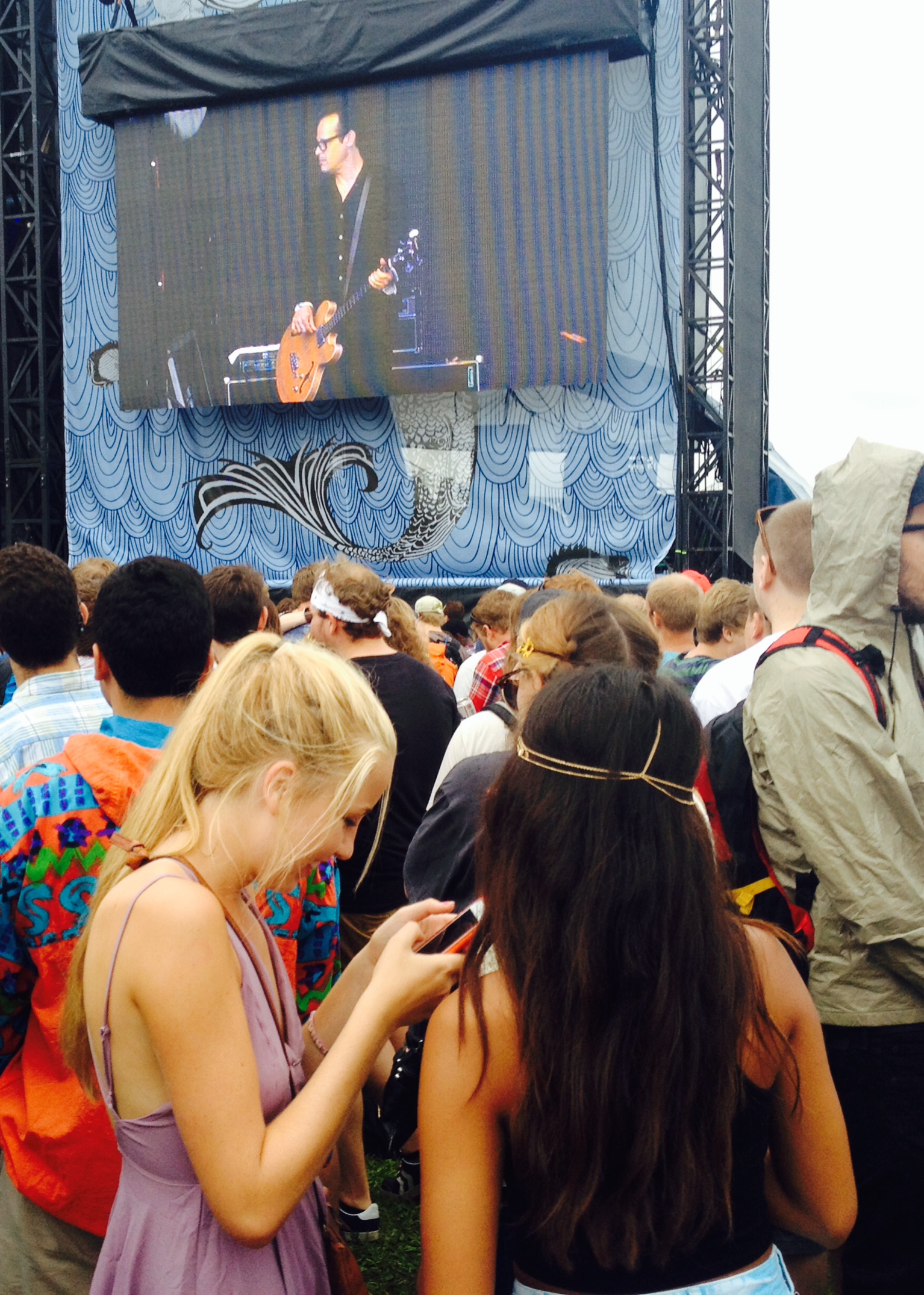
  1. Young audiences embrace the festival model. Millennials enjoy each other’s company, being seen, and checking in on social media and the festival experience is an effective way to reach this key constituency. They may spend the entire show taking selfies and comparing outfits but they are physically with you, engaged on some level, and will come back.
  1. Your staff, board, volunteers and community can rally around a key activity. Arts organizations should consider a festival as an alternative to traditional programming. In many cities this is perhaps the only viable model for opera to be successful. A festival focuses energy, enthusiasm, fundrasing and audience interest into a short, heightened time frame. Audiences embrace the notion to see a few shows during a Festival as an elevated experience and avoid a season long commitment to a subscription. Many communities take great civic pride in their festivals and this can increase patronage from prospects who aren’t interested in your work otherwise.
  1. Creative partnerships will be embraced. The opportunity for risk taking and collaboration during a festival should be irresistible. Audiences are more forgiving (and interested) in new approaches during a festival. Don’t believe me? Check out the wild happenings of your city (or come see us in Indianapolis) of the annual Fringe Festival where all sort of creative and extraordinary things unfold upon the stage.
  1. Festivals are Fun. Art should be entertaining before all else. We have a mandate to educate and inspire but before we can do this we have to entertain. Give me a couple of stages, a full weekend of music and Creative Happening, and I am yours.

Enjoy the summer!

Posted in Cultural Entrepreneurship, Performing Arts, Sponsorship | 1 Comment

Should Fundraisers Drive Nice Cars?

2011-10-09 10.25.03

Like many American lads I truly entered adulthood after 30, an extended adolescence that included a run as a stagehand, nearly four wonderful years of grad school, and sailboat summers on Lake Monroe in Bloomington, Indiana. We don’t expect our boys to grow up quickly in America and I was no exception.

In my 30s I learned to cook, to engage with women, to order from a wine list, to work a room, to gracefully accept victory and defeat. And to dress like a grown up. A suit for a man is almost always a winning proposition, and much simpler than attempting to appropriately match slacks and shirts.

Put on a suit and no one is going to think you’ve overdone it. Add some French cuff shirts and you are ready for a formal occasion or an evening performance. Lose the tie at 6:30 and girls at the bar will give you the once over. Fun.

Look Sharp, Be Sharp. How about Drive Sharp? The amusing twitter feed Fundraising Yoda asked a question a few weeks ago that got me to thinking:

yoda

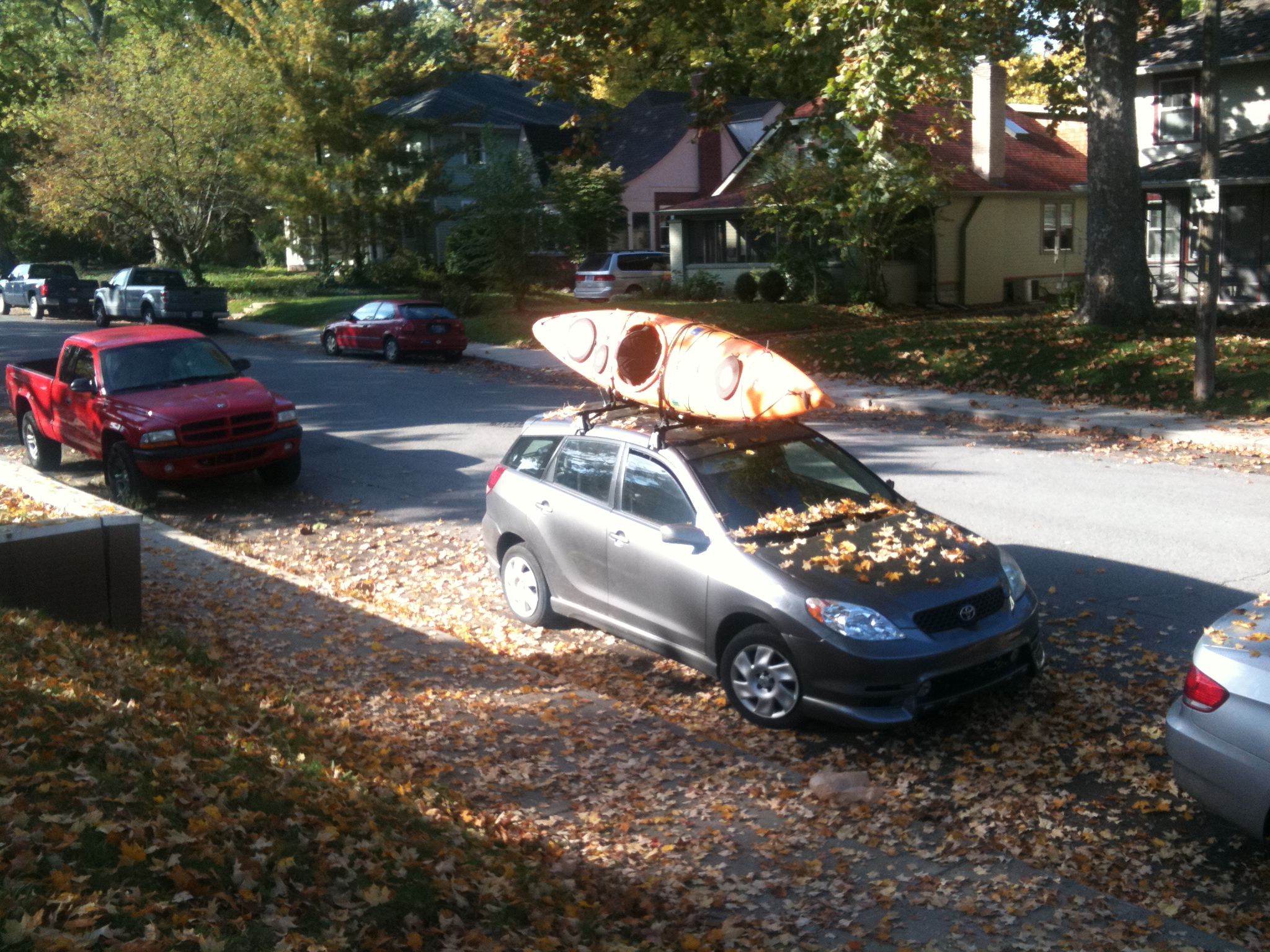
I drive a 10-year old Toyota Matrix with 165,000+ miles. I haven’t had a monthly car payment in nearly 6 years – $400 or so in my pocket every single month. And beyond a few mid-sized repairs/maintenance all I pay for is gas and insurance. Is it a Nice Car? No. It is a boxy little machine, with inelegant lines and a kayak rack on the roof. Being 10 years old, it has big scratches, small dents, and the like. When people I know professionally see the car they often say, “I didn’t imagine you driving a car like this,” a polite nod to the disconnect of a non-profit executive in a good suit and an elderly Toyota.

In my dating days the car was a Viability Test to women I’d meet, along with fish restaurants and foreign films. My thinking was that any woman who would judge me by my car wasn’t the girl to bring home to Mother.

Should fundraisers drive nice cars? I have to say Yes. As a consultant I leave the good old Matrix in the airport garage so it does not impact my work these days but did it before? Perhaps.

I was Head of Development for a new performing arts center a few years ago and it was a swanky undertaking. I was dressed for the part, with two tuxedos even, but my car always got quizzical looks. Those days were tumultuous and my plan was to buy a Grown Up car when things eventually settled down but they never did. There was a single week after our first fiscal closed with surpassed fundraising goal, a declared victory, and raises handed out by the boss. I started getting quotes on Audis. And then all hell broke loose once again. So no dice on a new ride.

I always kept the car clean, having been given good advice that you should assume your boss might ride with you anytime. And I would give the occasional ride to a donor, apologizing to the small size and age of my beloved Toyota. The little old ladies would have the most awkward time climbing down into the seat and finding the belt and so. Once a donor even asked me, “Say, what are they paying you?” upon seeing my Toyota. Ouch.

I make sizable (perhaps unfair) judgments based upon a man’s shoes and so it is reasonable to assume that I too have been summarily judged by my reliable, boxy, junky hatchback.

Cars simply aren’t that important to me, the practicality of reliable, low cost transportation trumping the prestige of a shiny sedan. I’d rather book a trip to Argentina or kayak Monterrey Bay with dear friends. But like it or not, as a professional, the car means something to world of prospects, colleagues and the old ladies a fundraiser should be courting via your $5,000 lunch appointments.

So should fundraisers drive nice cars?

Yes, if we are truly projecting the brand and values of an organization. What are your values? You have bigger problems than a car if you are asking that question.

Yes, if we are engaged in major gift work with high net worth, elderly individuals. Our donors need to see us and our good work, and offering them a ride is often the best way to get quality face time.

Yes, if we are projecting success and inviting investment. Like it or not, we are competing with very wealthy organizations with deep pockets and highly paid gift officers. Mission counts of course, but so does the Messenger. You have face time with the Prospect today but tomorrow the Dean of the Business School is dropping by and he ain’t driving a beater.

Our work as major gift fundraisers is much like a Realtor – we share opportunity, invite investment, and bring partners together. We don’t want anything standing in the way of this vital work of linkage and facilitation. Real estate people had this figured out long ago – if you are spending a sunny morning driving a couple around the suburbs looking at $250,000 houses you had best look sharp and drive even sharper.

Those Mazda sedans are sure looking good.

Posted in Fundraising, Performing Arts | 1 Comment

Kickstarter Fail. Defining Culture as Brunch

photo

A local café in my city recently launched a Kickstarter campaign to move from one crummy old house to a slightly newer one, though with more space and (presumably) less apt to fall apart or burn to the ground. They also want to add a proper bar for $5 coffee drinks and $7 local beer. Good for them – businesses should and must grow with the times. Let me preface this little rant by saying that I deeply enjoy brunch on the weekends, and our café in question is a regular part of my rotation of local spots to enjoy poached eggs, salmon and arugula on a Saturday morning.

You know the spot I mean. The kind of place where a couple will spend $30 plus tip on breakfast and hang out with childless libertines and the hipster young professionals into the early afternoon, enjoying City Life. $30+ for breakfast for two. Small batch coffee, free range eggs, elf grown kale, and locally smoked bacon where the pig had the run of a 100 acres with kittens as friends.

Love it. Happy to pay my $30 weekly. I live simply and save my pennies but for Brunch on the weekend and travels around the world. But ain’t no way I am donating money to their Kickstarter page. In fact, I am offended by the proposition. Have a look for yourself:

https://www.kickstarter.com/projects/1113974641/3-sisters-reboot?ref=nav_search

I wish this little café all the best and sincerely hope they can find resources to fund their relocation so that I can continue to pay premium pricing for my Sunday outings. But claiming a legitimate funding case does a disservice to all the organizations and artists in pursuit of creative funding for true cultural entrepreneurship.

 “Kickstarter is a funding platform for creative projects” – From the Kickstarter FAQ page.

Brunch is simply not a creative project. It isn’t. I see the best potential in crowd sourcing for small projects and individual artists to find investment and support of creative output: books, music, films, artistic happenings. Individual artists have the hardest path to walk in finding support of their efforts. Most institutional funders and grantmakers specifically prohibit supporting artists leaving individual patrons and consumers to buy tickets, paintings and make small personal grants via platforms like Kickstarter.

Increasingly consumers see dining as a cultural experience and in the arts we are now competing with brewpubs and artisanal fig plates but unless there is some legitimate cultural development attached to supper I take exception to this notion of a cultural, community Good coming out of a for profit restaurant.

The organizers of this funding campaign make no effort to even suggest that they play a meaningful role in the cultural life of the community, simply that they are moving and want their customers to pitch in so that, what exactly? We can pay for our meals at the new digs? Mimosas? Perhaps instead find some investors and present your business plan. Leave Kickstarter to the Artists.

These are nice people with their heart in the right place but I don’t know what irritates me more – that they don’t even try to suggest that there is a larger cultural good in their effort or the implication that a café is of itself of such obvious value that it doesn’t even need to be described.

Consider this as a warming as you strengthen your philanthropic case for support this summer in advance of fall fundraising:

1. Don’t assume your case is understood or relevant. Test it.

2. Define a community need and how you are specifically and meaningfully engaged in solving it.

3. Offer meaningful involvement and benefit to supporters who step up. Don’t even get me started on a café offering a t-shirt for a $100 “gift”.

 4. Meet me for Brunch to share the good story. I know a place.


Posted in Cultural Entrepreneurship, Philanthropy | 1 Comment

(Not) Just the $: Five Questions for Your Marketing Partnership Before the Green Flag.

photo

I was with Butler University MBA candidates recently chatting about international sponsorship and proposal development, and it got me thinking about motorsports, men’s fashion and key questions to ask of potential corporate partnerships beyond pricing.

Here in Indianapolis we host the largest one-day sporting event in the world, the Indianapolis 500. An estimated 350,000 race fans, professional drinkers, cultural tourists, and consumers of spectacle descend upon our beloved Raceway each Memorial Day weekend. If you can, attend at least once.

As the economy grows and contracts, so do the fortunes of professional racing, success overly dependent upon corporate sponsorship of teams, raceways and the Series itself. For any event (artistic, sports, or otherwise) sponsorship is a vital revenue source. Our Indy Racing League recently ended a title partnership with fashion/lifestyle brand IZOD and picked up a similar commitment from global technology giant Verizon, for less cash but unquestionably a better fit in terms of activation, promotion and resources.

Check out this video. Was IZOD a sustainable partner for a racing series?

Clearly Not. The youth focus of a lifestyle brand cannot easily line up with an old school race car series. And if you’ve attended an IRL event you know it is not the most fashion forward crowd, nor particularly young. Add to this the reality that neither IZOD nor IRL are growing, thriving brands with deep pockets and you have a non-starter.  A creative partnership with potential? Yes, but that’s often not enough.

Before you ink the deal on your next corporate partnership, consider these questions.

Is there enthusiastic leadership on both sides of the deal? Partnerships are built upon mutual goals and trust, and this has to begin with leadership. There is almost always someone high up the food chain who advocates for any sizable deal and who is invested in eventual success. Marketing decisions are emotional and involve higher level of leadership than other business decision making. Law firms and other professional service firms are notorious for micromanaging marketing decisions down to the penny and so if your proposal is being internally championed by the millennial marketing manager prepare yourself for disappointment.

Can a committed team pull together on both sides to ensure success? Once you have engaged leadership, a high functioning staff team on both sides is vital. Close attention to the details defines success. For major partnerships, it is a good idea to bring together the working team on both sides early in the process, to answer questions, build enthusiasm, brainstorm creative promotion and divide the workload. Bi-weekly conference calls can go a long way to a collaborative and productive partnership. Don’t assume the CEO or VP’s endorsement of the partnership will mean a successful activation.

Are there ample (even liberal) budget resources to activate the partnership? This is where many marketing partnerships languish, including, I suspect, the IZOD sponsorship. Activation can be an expensive proposition – advertising, client hospitality, staff resources, etc. As a general rule the sponsor should expect to spend an additional 30-50% on activation beyond the proposal’s direct cost. Be up front about this in your discussions and be open to creative activation beyond the cash.

Some years back I pitched both Pepsi and Coke for an exclusive trade and promotional deal. Both companies offered us similar proposals cash wise and we ultimately went with Coke. Our friends at Pepsi proposed including our logo on a month long production of Diet Pepsi cans to the entire state of Indiana. 12 million cans of soda. 12 million marketing impressions. I still wonder if we did the right deal.

Will both sides commit to a multi-year relationship? Partnerships take a great deal of salesmanship, planning, and resources to succeed and it is usually a good sign when there is interest in a multi-year commitment. I push for this whenever possible with the understanding that the relationship will be evaluated yearly, and the plan strengthened over time. A good habit is to bring the team together after your event or promotion to evaluate the partnership and propose improvements before moving on to next year.

Is this partnership a stretch financially, creatively, or in terms of mission and values? This all comes down to the right feel and fit. IZOD, a marginal lifestyle and fashion brand, simply wasn’t a good fit with a racing series. When you are selling clothes, and the drivers (the Talent) wear fire suits…You get the idea. Similarly, if your proposal represents a financial stretch for the company you might be setting yourself up for failure.

This can go the other way as well. I worked with a national consumer brand on a Series sponsorship a few years ago worth about $25,000 to us. We had a compelling proposal aligned with the company’s stated creative values, the support of the company’s CEO, and a three-year commitment. All good.

The staff contact assigned to activate with us managed an international campaign of television commercials and print advertising. Compared with that workload, we simply were not a priority and it was not a successful partnership, despite our best efforts to engage the company with creative promotion, client hospitality opportunities and exposure to our desirable audience.

It is not easy finding the right corporate partner and even more difficult to walk away from money on the table when elements of the deal aren’t sustainable. Ask the hard questions and your sponsorship program will prosper.

Enjoy the Race!

Posted in Cultural Entrepreneurship, Sponsorship | 1 Comment

Five Steps in June to Annual Fund Success (despite) Grill Season

Image

Most of our organizations have a June 30 fiscal year and this is Just Lousy. The Annual Fund, and most of fundraising, is at the core an exercise in creating and sustaining momentum and activity, of spreading the work (and worry) to volunteers engaged in your relevant, meaningful and replicable activities.

But that’s hard to do after school lets out and Grill Season has begun.

Assuming you’ve got a bit of work left to do to achieve this year’s Annual Fund goals, here are some ideas that might get you started for the June push:

1. Re-Align your fundraising volunteers: The bi-weekly committee meetings should suspend for the year and non-producers can start their vacation early. Task a smaller group to step up and finish out the work. Pick your top 3-4 solicitors and propose a 15-day year end push, where each would take an additional handful of prospects to call on before June 15. Promise them, and keep your word, that this will be the final work of the fiscal year and that they can have a summer vacation as well. Volunteers need pool time, and well rested (and appreciated) solicitors will return to you in the fall ready to go once again.

2. Engage your Current Donors: A well written, thoughtful, and specific 2nd ask to your donor base is controversial to some fundraisers but there is nothing wrong with inviting additional investment to current supporters who you’ve stewarded appropriately all year long. What might a 2nd ask look like? Ideally for something specific and timely to the season. If you are a youth serving organization, how about a focused appeal to support summer programming? This is one of the best ways to create some Urgency. The fact that your fiscal year is coming to a close 10 days after summer begins means something to you but not to your donors.

3. Focus on the Big Asks: Once you’ve narrowed down your remaining gap to goal it is vital to realize that most of it is going to have to come via larger $1,000+ prospects. This is a great time to position your CEO on some of those $5,000 Lunch Dates, and to offer a few key prospects the opportunity to be a real Hero. I am not normally a fan of transactional fundraising – “Give us $10,000 for the Canary Society Level” but this is one time of year when you can level with a significant prospect:

“Listen – this is a vital moment for us as we work to finalize our summer funding plan for this year’s Orchestra Camp. We are so very close to being able to serve a record number of kids this year. Your increased gift to $10,000 will insure that we are successful. Can you help us?”

4. Play around with Crowd Funding: My skepticism of crowd sourced fundraising is well established, particularly for the core annual fund program, but this is an opportunity to engage with your broad based audience for the last sums to your goal. Wait until you are to the very end of your campaign (say less than $10,000) and create a short window (a few days) for a crowd sourced campaign, based on the urgency of summer programs (your year end case). My rule of thumb with clients about any Gadget Fundraising is that we can consider it once the goal is at 95% and not a moment before.

5. Stay Busy: These things have a way of working out for the Best, and if you are out in the community, staying active and working hard, good things happen and the phone starts ringing back in the office. Push yourself to those three meetings per week and pursuing daily wins. Five productive days and you’ve got a week of progress to share.

And how about when the clock strikes midnight and July 1 comes? Celebrate your achievements. Hopefully you made the goal but acknowledge with your team the hard work and progress regardless. We aren’t good at this in fundraising, and it is part of the reason tenure is so short in our profession.

Perhaps a BBQ with key staff and volunteers, a little (low-cost) fellowship to celebrate together before the work starts anew?

Posted in Annual Fund, Fundraising | Tagged , , | 1 Comment